





Potassium Bitartrate: A Versatile Natural Compound with Numerous Uses
Introduction to Potassium Bitartrate
| Product name | |
| CAS NO. | 868-14-4 |
| Formula | KHC₄H₄O₆ |
| Molecular Weight | 188.18 g/mol |
| Characteristics | White crystalline powder |
| Potassium bitartrate, also known as cream of tartar, is a natural byproduct of winemaking. It forms inside wine barrels as a crystalline deposit during the fermentation process. Chemically, it is the potassium salt of tartaric acid, with the formula KHC₄H₄O₆. This white, powdery substance has been used for centuries in cooking, cleaning, and even medicine. Its unique properties make it valuable in various industries, from food production to pharmaceuticals. In this article, we’ll explore what potassium bitartrate is, its benefits, and its many applications. | 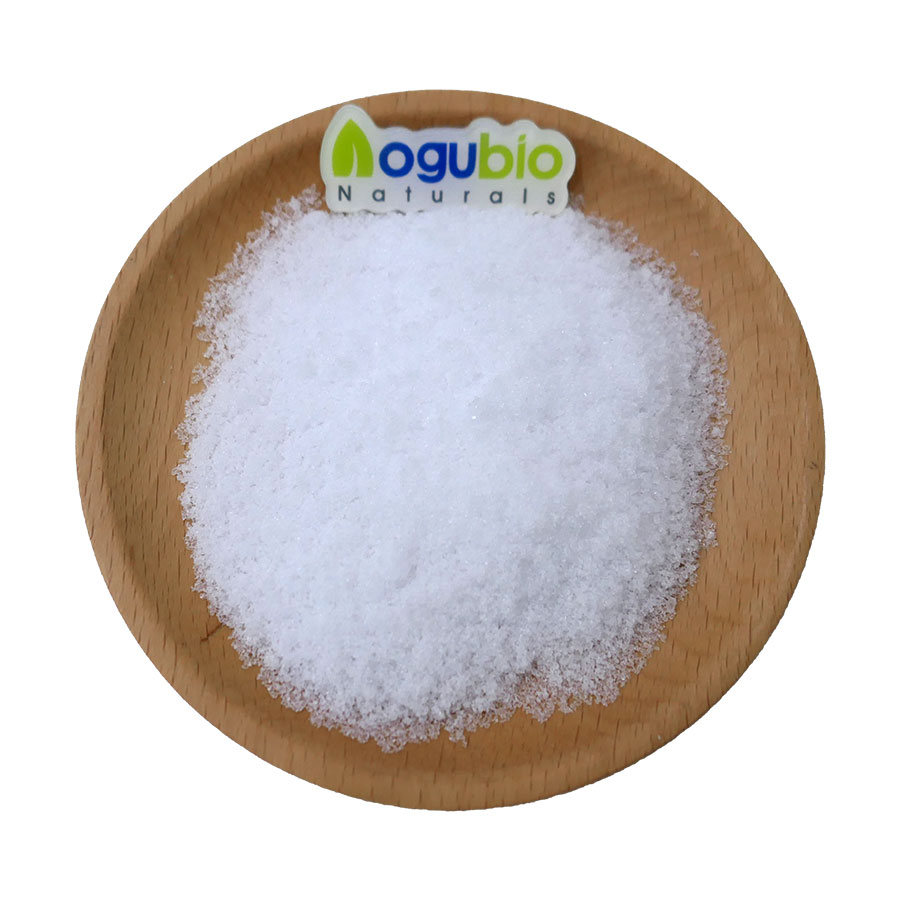 |
How Is Potassium Bitartrate Produced?
Potassium bitartrate occurs naturally in grapes, bananas, and tamarinds. During winemaking, tartaric acid precipitates and binds with potassium ions, forming crystals that settle at the bottom of wine barrels. These crystals are then collected, purified, and processed into the fine powder we know as cream of tartar.
A study published in the Journal of Agricultural and Food Chemistry (Gómez-Plaza et al., 2002) explains that temperature and pH levels significantly affect the crystallization process, influencing the yield and purity of potassium bitartrate.
Key Properties of Potassium Bitartrate
Potassium bitartrate has several unique characteristics that make it useful in different fields:
- Acidic Nature
It acts as a weak acid, making it useful in baking to stabilize egg whites and activate baking soda.
Its pH is around 3.5–4.0, which helps in food preservation and flavor enhancement.
- Solubility
It dissolves well in hot water but has limited solubility in cold water, which is why it crystallizes in wine.
- Non-Toxic and Food-Safe
Recognized as safe by the FDA (Food and Drug Administration) and EFSA (European Food Safety Authority).
- Antioxidant Properties
Research in Food Chemistry (Lu et al., 2015) suggests that tartaric acid derivatives, including potassium bitartrate, exhibit antioxidant effects, which may help in food preservation.
Applications of Potassium Bitartrate
Culinary Uses
Potassium bitartrate is a staple in many kitchens due to its versatile functions:
- Baking Stabilizer
Helps stabilize whipped egg whites, increasing their volume and preventing collapse. This is why it’s commonly used in meringues and soufflés.
Reacts with baking soda (sodium bicarbonate) to produce carbon dioxide, making baked goods rise.
- Preventing Sugar Crystallization
Added to syrups and candies to inhibit sugar crystallization, ensuring a smooth texture in products like fudge and frosting.
- Enhancing Flavor
Used in some snickerdoodle cookie recipes to provide a slight tangy taste.
Industrial and Household Uses
Beyond the kitchen, potassium bitartrate has practical applications:
- Cleaning Agent
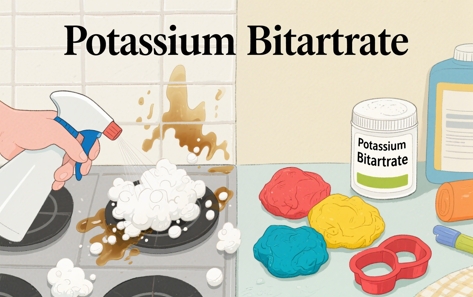
Mixed with vinegar or lemon juice, it forms a natural cleaning paste for removing stains from metals and ceramics.
DIY Playdough Ingredient
Helps improve elasticity in homemade playdough recipes.
Medical and Health Applications
Some studies suggest potential health benefits, though more research is needed:
- Laxative Effects
Historically used in small doses to relieve constipation (as noted in The Journal of Pharmacology and Experimental Therapeutics, 1929).
- Potassium Supplementation
Contains potassium, an essential mineral for muscle and nerve function. However, it should not be used as a primary supplement due to its low potassium concentration.
Winemaking
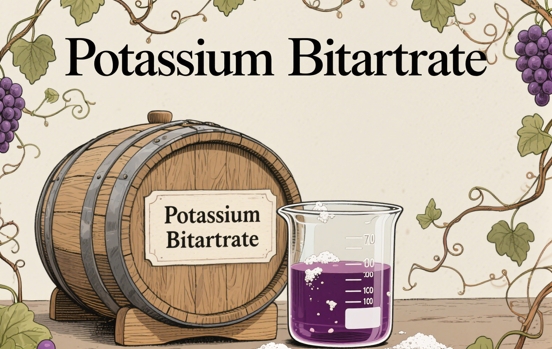
Winemakers often remove excess potassium bitartrate through a process called cold stabilization to prevent unwanted crystallization in bottled wine.
Is Potassium Bitartrate Safe?
Generally recognized as safe (GRAS) by regulatory agencies.
Excessive consumption may lead to hyperkalemia (high potassium levels), so moderation is key.
Conclusion
Potassium bitartrate is a multifunctional compound with applications ranging from baking to cleaning. Its natural origin, safety, and unique chemical properties make it a valuable ingredient in many industries. Whether you're a home baker, a winemaker, or someone interested in natural cleaning solutions, potassium bitartrateoffers practical benefits backed by Scientific research.
By understanding its uses and properties, consumers and professionals alike can make the most of this versatile substance.
- Name: Jeremy Ma
- Email: sales05@aogubio.com
- WhatsApp: +86 18066876392